2012/01/01

Design research from LCC GDC MA process show


Design research from LCC GDC MA process show
http://www.lccpgdesign.com/
Zhaodong Meng
A Visual Identity of 56 Ethnic Groups in China
This project is based on graphic design and cultural identity. I have always been interested in cultural diversity in the design area, especially symbol and pictogram design which has become a universal language, and as a graphic designer, the ability to show culture in graphic design has become my direction of study.
The aim of this project is to understand how the influence of national cultures can enhance ‘universal’ pictogram systems.
image
image
imageimageimageimageimage

2011/12/31

storyboard


notes- visual complexity


How to make visual map
http://www.visualcomplexity.com/vc/
suggested by Sadhna JAIN

Generative system- case study from GDC area


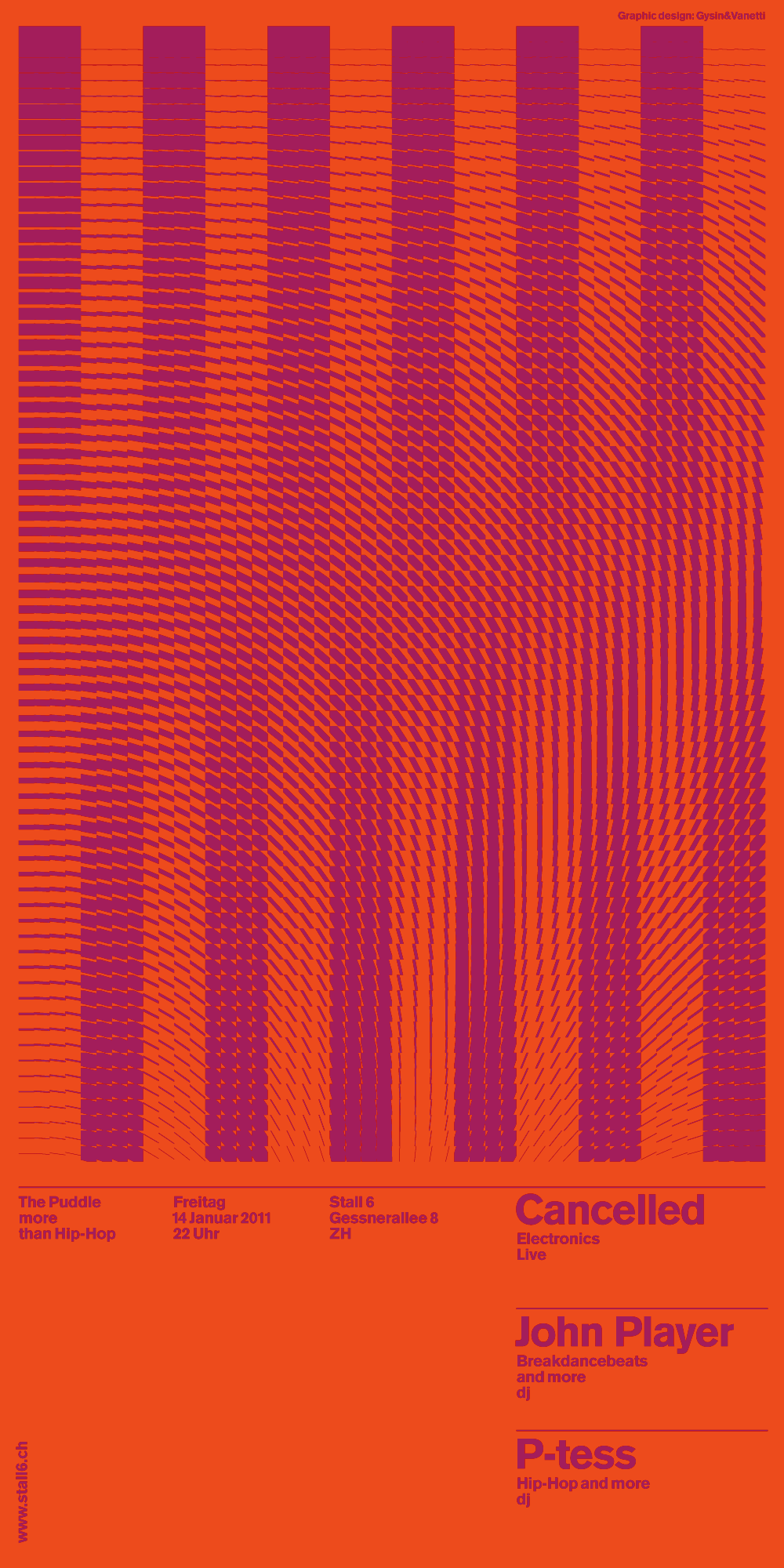
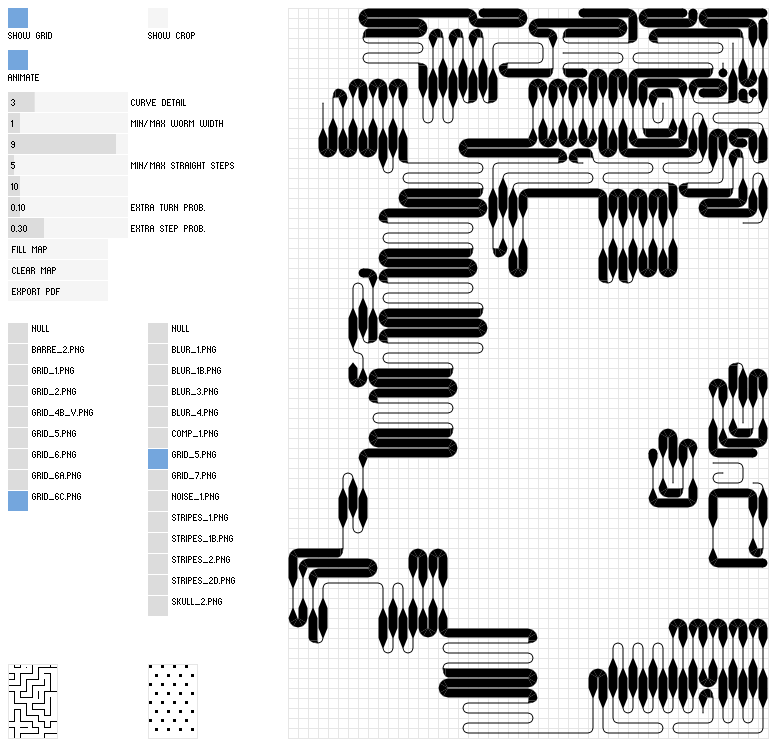
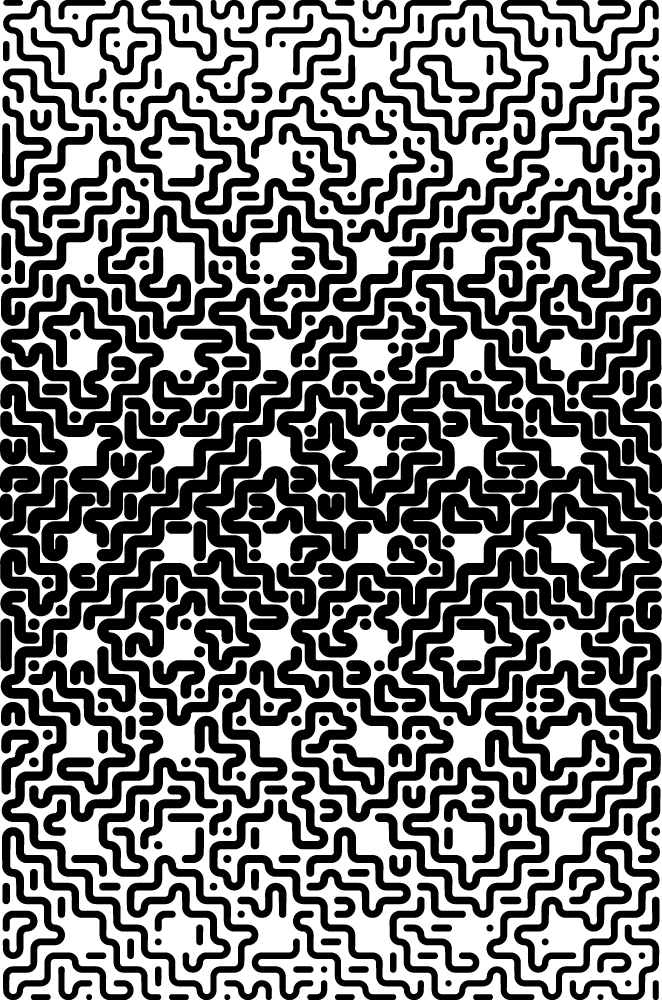
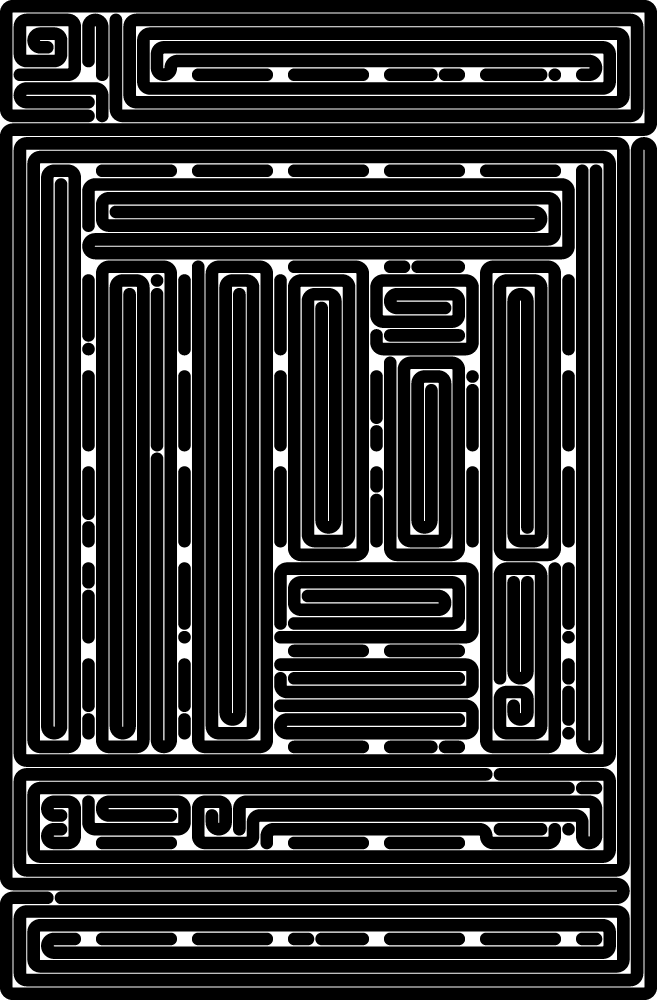
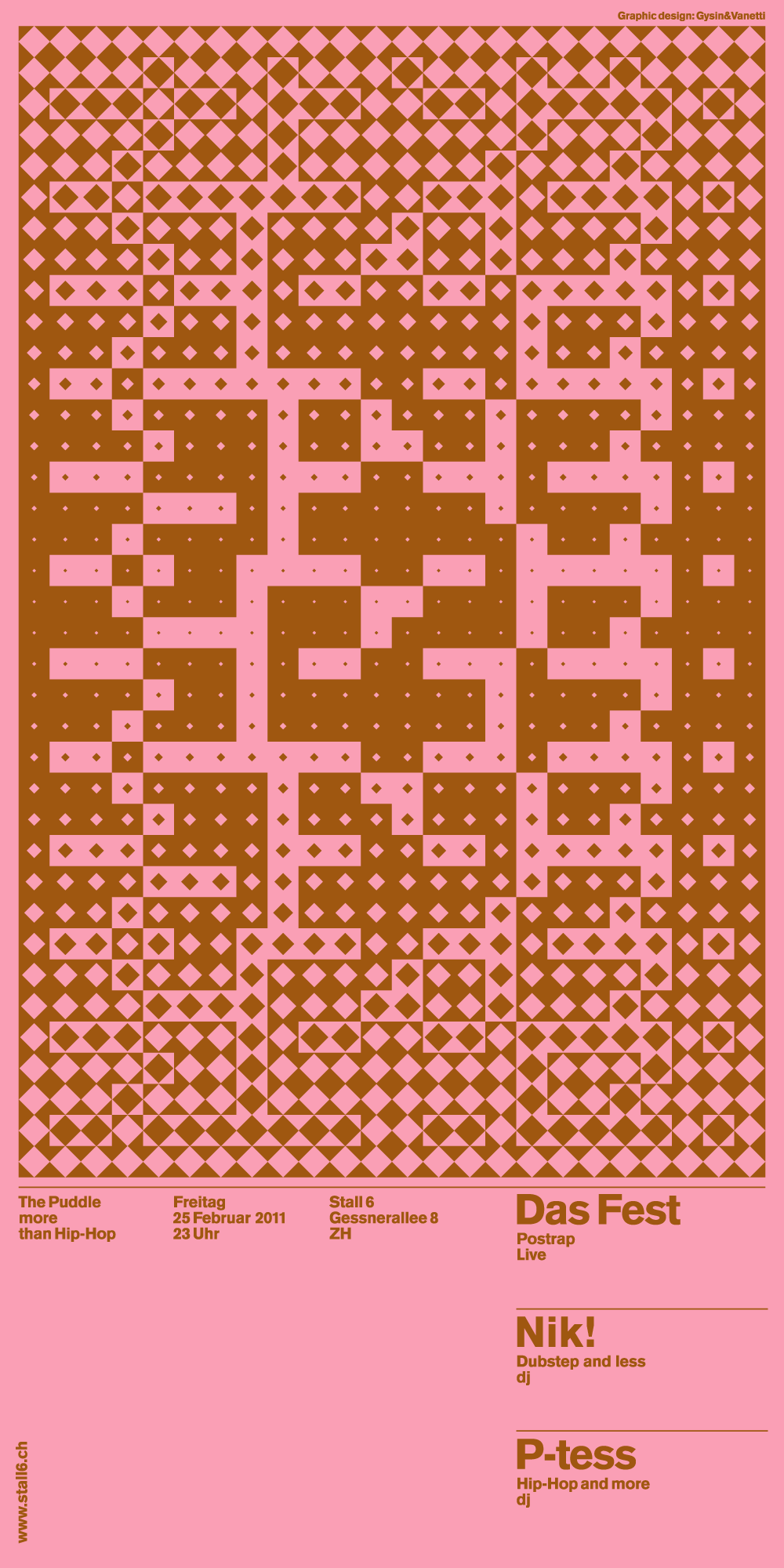
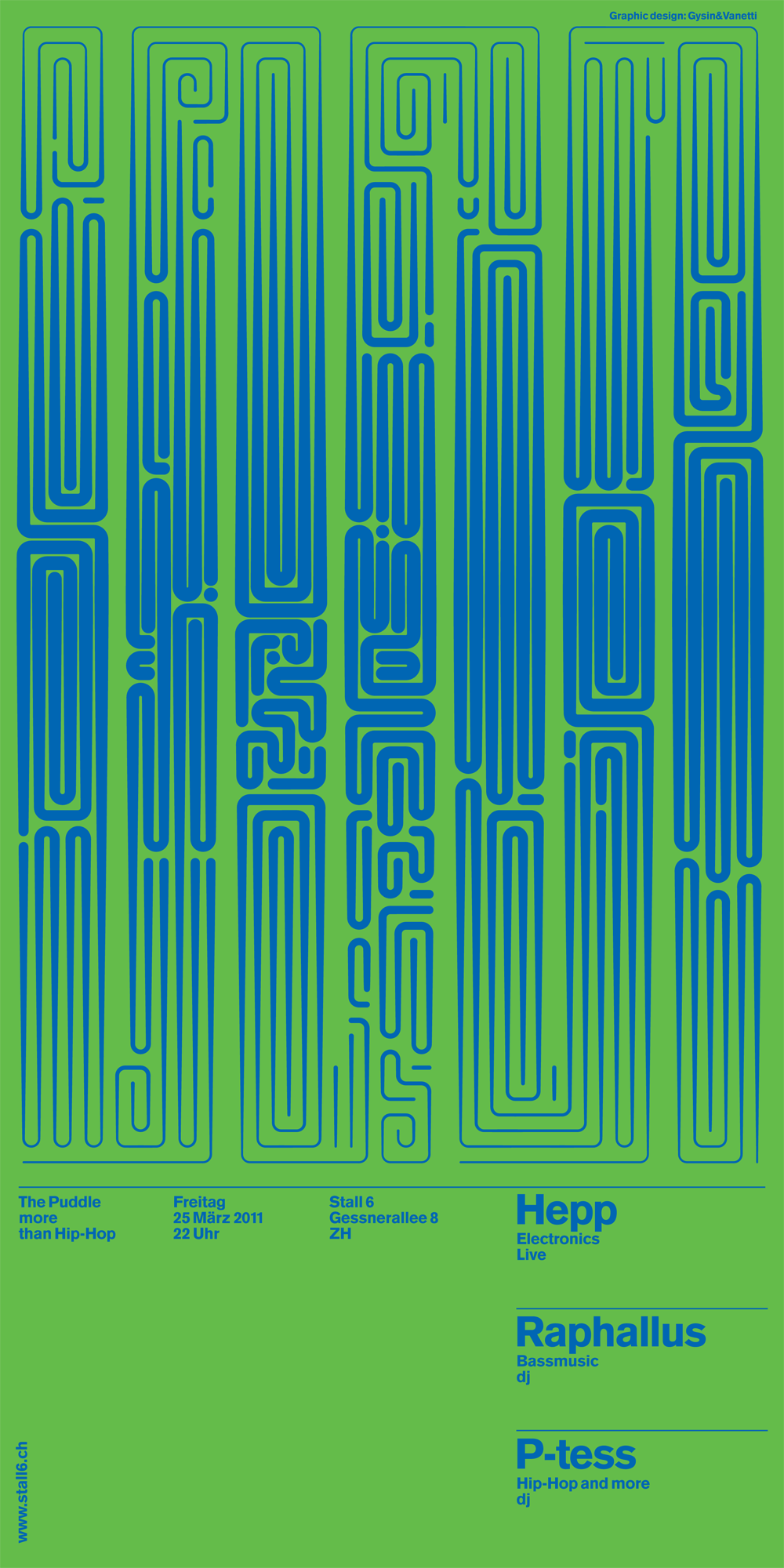
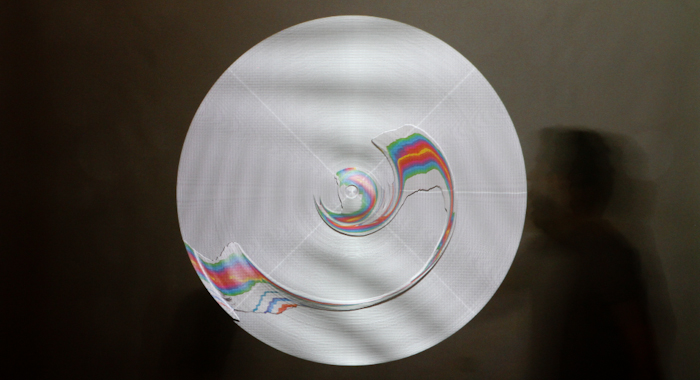
Puddle Builder 03 [Processing]

Used for the Posters and flyers for The Puddle (Stall 6), Andreas Gysin with Sidi Vanetti created this Processing for the production of the rasters, eventually screen printed on coloured paper.
Built with a modified version of Toxi’s cp5magic.
Try the applet version of the Puddle Builder 03 (PDF export is disabled).
Andreas Gysin. Born in Zürich. Design and code in Lugano, Switzerland. Occasionally teaching interaction at SUPSI, Lugano and ECAL, Lausanne. For projects and weirdness with pal Sidi Vanetti visit: www.gysin-vanetti.com
Previously: hms [iPhone] - a digital sculpture by Andreas Gysin


2011/12/30

Generative Photography


Generative Photography [Processing]

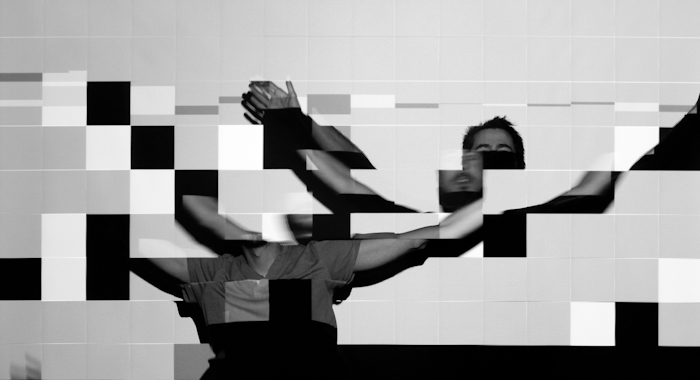
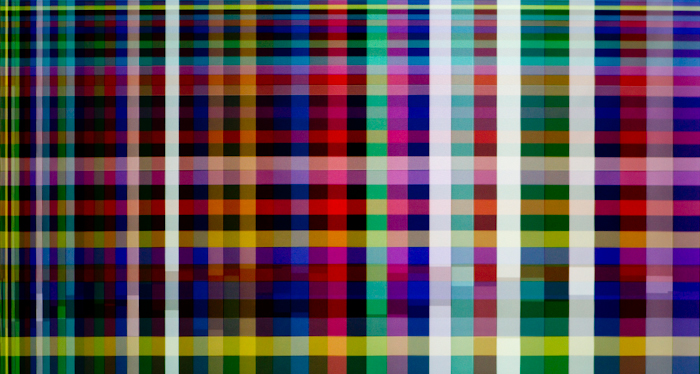
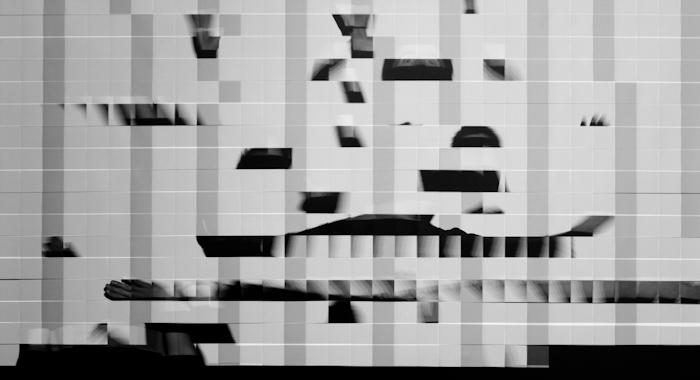
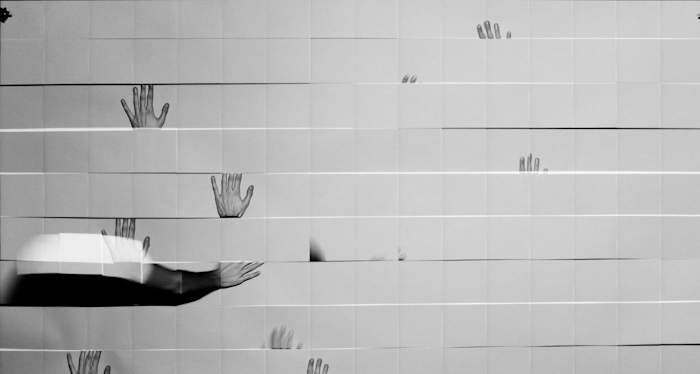
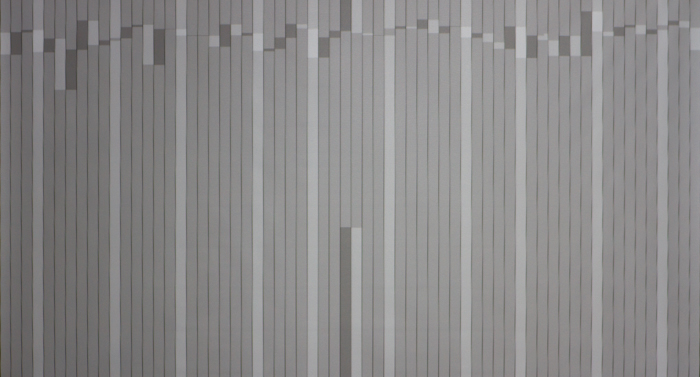
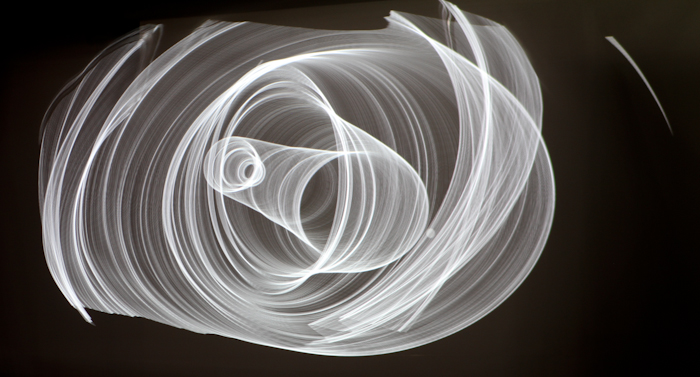
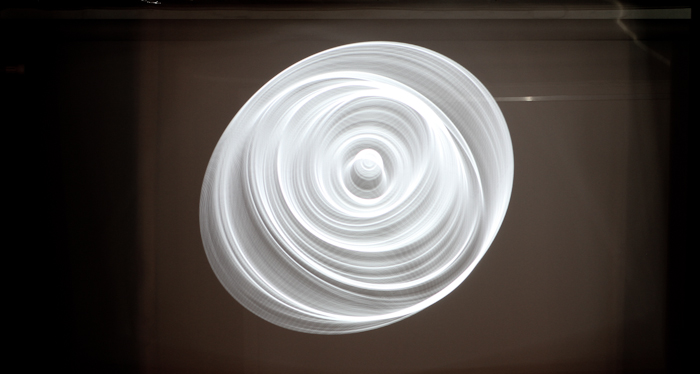
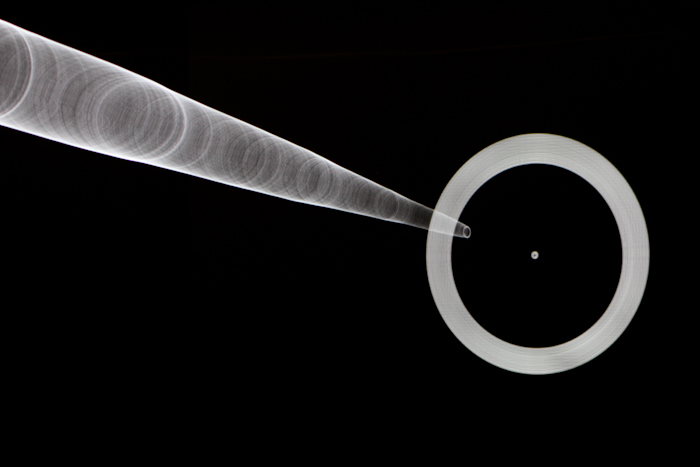
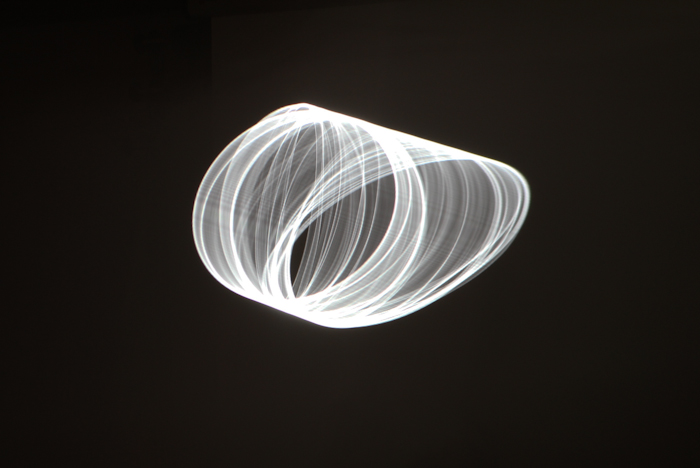
In the last few weeks Ishac Bertran has been making experiments in the area of “Generative Photography”. He describes the process where the digital drawings are sequentially projected on to a screen in a dark room and photographed using long exposure times. As in generative art, this photography technique uses an algorithm that is polluted with a certain randomness. The randomness comes from rendering imperfections and the asynchrony between the frame rate of the video signal and the refresh rate of the projector.
Glitches are unique, almost impossible to reproduce, and usually imperceptible to the naked eye. This technique gives shape to these digital glitches and captures their unpredictable beauty…The experiments pursue an artistic exploration to achieve a certain aesthetic outcome more than a research on computer engineering…
Most recent experiments analyze the glitches caused by the rendering and the asynchrony between the frame rate of the video signal and the refresh rate of the projector. Running a Processing sketch and then photographed, he uses various photographic techniques including exposure, speed, framerates to seek out the glitches sometimes caused by the computer monitor or graphics card and sometimes what is caught in between the digital and analogue mediums.
Ishac has also set up a dedicated website where experiments can be seen generativephotography.com or track the progress on blog.ishback.com

Generative system_motion-graphic


http://couleurblind.com/tag/motion-graphic/
A new article about one thing I really find very interesting: to combine Music and motion Graphic and animation. hope you like it as well!
Abstract birds are Pedro Mari and Natan Sinigaglia, two visual music artists.Their work combines images with sounds through the use of musical instruments interfaced with generative systems dedicated to audiovisual creation in real time. The musical aesthetic is rooted both in the tradition of classical music and in the well-established tradition of jazz, drawing in particular from the latter the improvisatory nature of execution, which is crucial in the work of Abstract Birds. The visual aesthetic is abstract, with a conscious use of shapes and colors, although the dynamics of the audiovisual world take inspiration from the natural world.
  
“Celeste Motus” is an audiovisual suite in three movements. Both the music and the visuals are generated in realtime using the input of two electric instruments (a wind instrument and a piano).The original setup is meant to be a three screens span mode resulting in a panoramic 4:1 view. The theme of the suite is the growth of consciousness, a growth that develops during the three movements.
more to see:
 

2011/12/29

Generative systems


Generative systems are systems that use a few basic rules to yield patterns. Depending on the rules, the patterns can be extremely varied and unpredictable. One of the more well-known examples is Conway’s Game of Life, a cellular automaton. Another example is Boids. More examples can be found in generative music, generative art, and, more recently, in video games such as Spore.
Game designer Will Wright and musician Brian Eno discuss the generative systems used in their respective creative works. This clip features original music by Brian Eno.
—–
Will Wright and Brian Eno on “Playing with Time.”
In a dazzling duet Will Wright and Brian Eno give an intense clinic on the joys and techniques of “generative” creation.
Back in the 1970s both speakers got hooked by cellular automata such as Conway’s “Game of Life,” where just a few simple rules could unleash profoundly unpredictable and infinitely varied dynamic patterns. Cellular automata were the secret ingredient of Wright’s genre-busting computer game “SimCity” in 1989. Eno was additionally inspired by Steve Reich’s “It’s Gonna Rain,” in which two identical 1.8 second tape loops beat against each other out of phase for a riveting 20 minutes. That idea led to Eno’s “Music for Airports” (1978), and the genre he named “ambient music” was born.
The Long Now Foundation was established in 01996* to develop the Clock and Library projects, as well as to become the seed of a very long term cultural institution. The Long Now Foundation hopes to provide counterpoint to today’s “faster/cheaper” mind set and promote “slower/better” thinking. We hope to creatively foster responsibility in the framework of the next 10,000 years – The Long Now Foundation